Transmission fluid does a lot of quiet work. It lubricates gears, carries heat away from internal parts, and in an automatic transmission it is also the hydraulic fluid that makes shifts happen. Over time heat breaks it down, friction material from the clutches collects in it, and it stops protecting the way fresh fluid does. A fluid service replaces some or all of that tired fluid. That is maintenance, and it is worth doing on schedule.
What a fluid service will not do is repair worn parts. If a transmission in Kings Mountain is already slipping badly, shuddering under load, or refusing a gear, new fluid rarely brings it back. Shops see this often: a driver hopes a service will fix a mechanical problem, and the honest answer is that fluid can prevent trouble far better than it can cure it. Use the checklist below to judge where your transmission actually stands before you book anything.
Start with the fluid itself
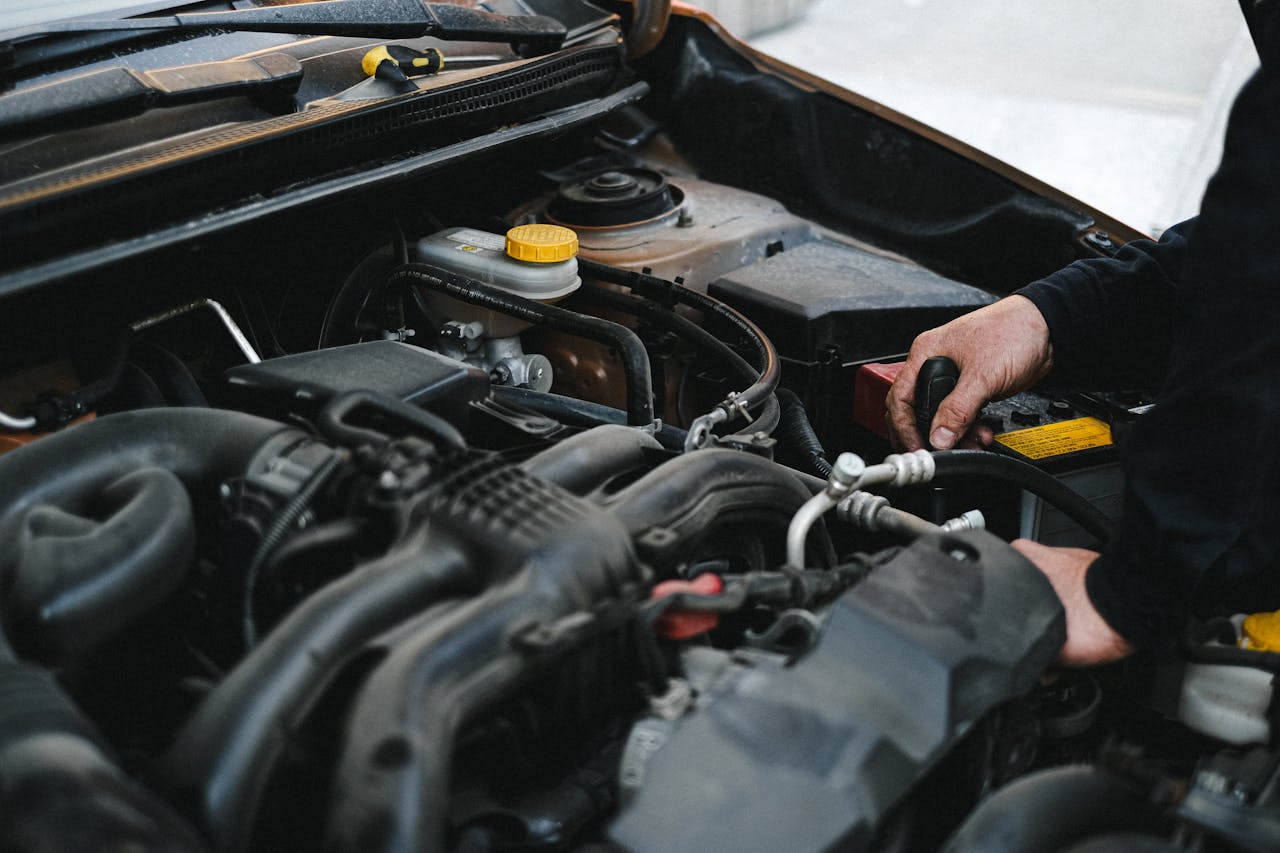
On many vehicles the transmission has a dipstick you can check with the engine warm and idling, following the procedure in the owner's manual. Some newer models seal the unit and leave the check to a shop with a lift and a scan tool. Either way, the fluid tells a story. Healthy fluid is translucent red or pink and smells mildly sweet. Fluid that is dark brown, smells burnt, or feels gritty between your fingers has been overheated or has run far past its useful life.
Color alone is not a verdict. Fluid darkens with normal use, and some factory fluids start darker than others. The combination that matters is color plus smell plus how the car shifts. A shop doing transmission service at Baity's Automotive Services will look at all three together, and that combination is what separates routine maintenance from a warning sign.
The working checklist, in order
Work through these items in sequence. Each one has a pass sign and a fail sign, and the pattern across the whole list matters more than any single line.
Transmission health checklist
- Fluid level: Pass: level sits between the marks on a warm check. Fail: level is low, which usually means a leak somewhere, since transmissions do not consume fluid.
- Fluid color and smell: Pass: red to light brown, no burnt odor. Fail: dark brown or black with a sharp burnt smell, a sign of sustained heat.
- Shift quality: Pass: shifts are prompt and consistent, hot or cold. Fail: delayed engagement when you select drive or reverse, flaring between gears, or harsh clunks.
- Leaks underneath: Pass: the pan, cooler lines, and axle seals are dry. Fail: red fluid spots on the driveway or a wet pan gasket.
- Service history: Pass: fluid has been serviced at the interval in the owner's manual. Fail: no record at all on a high-mileage vehicle, or fluid original to the car.
- Heat exposure: Pass: mostly highway and town driving around Kings Mountain. Fail: regular towing, mountain grades, or stop-and-go delivery use, all of which cook fluid faster.
Drain and fill, filter, or flush
Shops use a few different methods, and the names get used loosely. A drain and fill removes what flows out of the pan, often roughly a third to half of the total fluid, and tops up with fresh fluid. It is gentle and repeatable. A pan service drops the pan, replaces the filter where one is serviceable, cleans the magnet that collects metal wear particles, and refills. A fluid exchange machine pushes fresh fluid through until mostly new fluid circulates, which replaces more of the total volume in one visit.
None of these is automatically the right choice. On a well-maintained transmission, any of them done at the manual's interval keeps the fluid healthy. On a neglected transmission with very high mileage and fluid that has never been changed, some technicians prefer a gradual approach, because a sudden full exchange can stir up deposits. Ask which method is planned and why it fits your car's history.
When fluid is not the problem
Some symptoms point past fluid entirely. Grinding noises, a gear that will not engage at all, or metal chunks found in the pan mean mechanical wear that no service reverses. Electronic faults can mimic fluid problems too: a failing shift solenoid or a bad sensor can cause harsh or late shifts with perfectly good fluid, which is why diagnostics come before parts. If a shop recommends a service, ask what they expect it to change. A straight answer names the symptom it addresses. Vague promises about restoring a worn transmission are a reason to get a second look.
Manual transmissions and CVTs have their own fluid needs, and they are not interchangeable. A CVT in particular requires its specific fluid type, and using the wrong one can cause damage quickly. The owner's manual names the correct specification for your car, and it is worth confirming that the fluid going in matches it.
A sensible cadence
Follow the interval in your owner's manual first. Many manufacturers call for automatic transmission fluid service somewhere in the 30,000 to 60,000 mile range under severe service, and longer under normal use, and Piedmont driving counts as harder than it looks: hot humid summers, hilly trips west of Kings Mountain, and plenty of short trips that never fully warm the fluid. If you do not know the car's history, a fluid inspection is cheap information. It turns a guess into a decision.
Common questions
Will fresh fluid fix my slipping transmission?
Usually not. Slipping means clutch packs or other parts are worn, and new fluid cannot restore lost friction material. It may help a transmission whose only problem is degraded fluid, which is why an inspection comes first.
How do I know which fluid my car needs?
The owner's manual lists the exact specification, and it matters, especially for CVTs. A shop should confirm the spec before servicing, and you are entitled to ask which fluid they plan to use.
Is a flush risky on a high-mileage car?
It depends on the car's history. On a transmission serviced regularly, an exchange is routine. On one with unknown history and very dirty fluid, many technicians prefer a drain and fill or pan service first and reassess after some miles.
Photos in this guide are representative stock images.
← All guides from Baity's Automotive Services← Back to Baity's Automotive Services